
Mobile vs Workshop Roadworthy - What's the Difference?
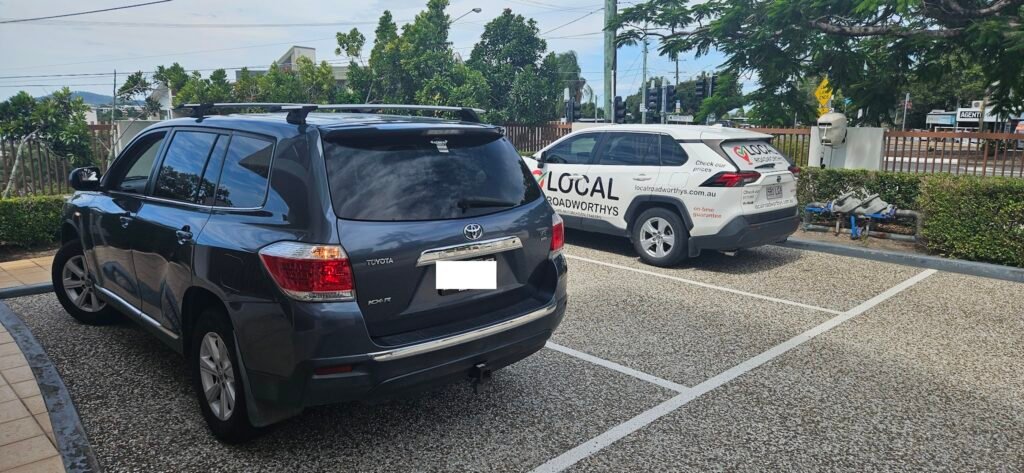
I inspected this Toyota Kluger in Highgate Hill today – passed without any issues. The owner told me she’d originally planned to take it to a local workshop but booked a mobile inspection instead after reading some horror stories online. She made the right call, and here’s why I say that.
The inspection itself is the same
Whether you go to a workshop or use a mobile service, the actual inspection is identical. Same checklist, same standards, same Queensland safety requirements. The examiner checks the same items – tyres, brakes, suspension, steering, lights, windscreen, seat belts, underbody, and everything else on the list. The safety certificate issued at the end is the same electronic certificate lodged with TMR.
The difference isn’t what gets inspected. It’s who is inspecting it and what their incentives are.
Why conflict of interest matters
Mechanics already have a trust problem with the public. That’s unfortunate for the honest ones who do the right thing every day – and there are plenty of them. But the trust issue exists for a reason.
A workshop makes most of its revenue from repairs, not from inspections. When a vehicle fails a roadworthy at a workshop, the repair work is right there – same building, same mechanic, same visit. The person deciding whether your car passes or fails is often the same person who profits if it doesn’t.
On top of that, not every inspector has the same level of experience or confidence. An inspector who has done a few hundred inspections makes decisions differently to someone who has done over 10,000. When less experienced inspectors are unsure about a borderline call, they tend to stay on the strict side – which can mean failing items that don’t need to fail.
You can avoid both of these situations by choosing an inspection service that doesn’t do repairs. No conflict of interest, no repair quotes, no pressure. Just an honest result.
A personal experience that shaped my business
Before I started doing roadworthy inspections myself, I was a mechanic. I wanted to sell my own car – a simple Toyota Camry in good condition that I had maintained myself. I took it to a well-known national chain for a roadworthy inspection.
After an hour in the waiting room, the mechanic presented me with the results. According to him, almost everything was wrong. Worn brakes – I asked him to show me and asked what the minimum limit was. He couldn’t answer. Worn wiper blades – which I had replaced just two weeks earlier. A “too soft steering wheel” – I still don’t know what that means. I didn’t even receive a proper inspection report. All I got was a repair quote.
I took the car to another mechanic. Twenty minutes later it passed without a single issue.
I’m not sharing this story to paint all mechanics with the same brush. But it happened, and it’s not an isolated case. It’s one of the reasons I decided to run an inspection-only service with no repairs – so my customers never have to wonder whether the result is driven by an honest assessment or a sales target.
How a mobile inspection-only service works differently
Local Roadworthys does not do repairs. Not at all. I inspect vehicles and issue safety certificates. That’s it.
If your vehicle passes, you get your certificate. If it fails, you get an honest report listing exactly what needs fixing – and you take it to any mechanic you choose for the repairs. I have zero incentive to fail your vehicle because I don’t benefit from the repair work. There’s nothing for me to upsell.
Some people wonder whether I benefit from failing vehicles to charge a call-out fee for the re-inspection. The honest answer is no. The re-inspection call-out fee barely covers my fuel, travel time, and the time spent away from other bookings. I’d much rather your vehicle passes first time so I can move on to the next job. That’s exactly why I publish a free roadworthy checklist on my website – to help people prepare and pass on the first visit.
But I will not pass a vehicle that doesn’t meet the safety requirements. That’s not something I negotiate on. Every inspection comes with an official Queensland Government issued report with my examiner’s number on it. I take full liability for every certificate I issue.
Convenience
Beyond the conflict of interest, a mobile service is simply more convenient.
No driving to a workshop. I come to your home, your work, or wherever your vehicle is parked. You don’t waste time driving there and back.
No waiting room. The inspection takes about 20-30 minutes. You can hand me the key and get on with your day. Go to work, have a coffee, do whatever you need to do.
Unattended inspections. You don’t even need to be there. Leave the key in an agreed spot, make sure the vehicle isn’t parked behind a locked gate, and I handle everything. You’ll get the result by email and text.
Unregistered vehicles. This is a big one. If your car is unregistered, you can’t legally drive it to a workshop for an inspection. A mobile service comes to wherever the car is sitting – your driveway, your garage, a car park. No need for a tow truck or an unregistered vehicle permit.
Transparency
I try to show my customers a photo of any failed item where possible. Brake pads, cracked bushes, leaking seals, broken mounts – if I can photograph it, I will. Some things are harder to photograph, like a non-working windscreen washer or a brake that doesn’t feel right during the test drive. But you always get a detailed report explaining what failed and why.
If you ever have questions about a result, you can call me directly. You deal with the same person from booking to certificate. No call centres, no different inspector every time, no “the mechanic who inspected your car isn’t here today.”
The bottom line
A workshop roadworthy and a mobile roadworthy result in the same certificate. The difference is the business model behind it. By choosing an inspection-only mobile service, you avoid the conflict of interest from the beginning. No repair quotes, no upselling, no wondering. Just an inspection and an honest result.
Related: same day roadworthy in Brisbane, inspections in underground car parks and what a roadworthy costs. See my prices or the car roadworthy page.